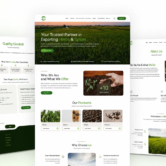



Factory website design serves a different buying journey from retail ecommerce. A procurement professional may need a material, production capability or specification that a photograph alone cannot explain. The site should help that buyer establish suitability and submit a meaningful supply enquiry. Start with the information an industrial customer needs before choosing a catalogue layout.
Organise products around specifications
Use categories buyers recognise, then create pages for products or closely related specification groups. Include materials, dimensions, packaging, applications and available options with consistent measurement units. Where pricing depends on quantities or customisation, make requesting a quotation the main action. Only publish minimum quantities and lead times after your operations team has approved them.
Present capabilities through verifiable evidence
Use photographs of the actual facility and production process when you have permission to publish them. Certificates should be current and relevant to the organisation or product being described. Protect sensitive information where necessary. Do not imply a stock photograph depicts your own factory. Explain inspection, packaging and customisation capabilities instead of relying on broad quality slogans.
Make procurement enquiries useful
A form can ask for product category, specification, estimated quantity and delivery destination. Optional drawing uploads may help where file handling is properly secured and supported. Clarify who receives the enquiry and whether it is a request for information or pricing. Avoid collecting fields your team does not use; the first contact should qualify the requirement without reproducing an entire procurement process.
Use downloadable catalogues alongside product pages
A PDF is useful for sharing, but product pages make browsing and direct linking easier. Keep item numbers, specifications and catalogue editions consistent across both. For Saudi customers and export markets, have a product specialist review Arabic and English technical terms. An incorrect measurement or material translation can change the meaning of the offer.
Plan ownership of ongoing updates
Test enquiries, downloads, search and layouts on phones and computers. Assign responsibility for keeping products and certificates current. Separate public capability information from confidential contracts and customer data. After launch, review the enquiries sales receives and the details buyers still need. Use that feedback to improve product pages and make commercial conversations more precise.
Discuss your project with Tawazun
Explore Tawazun’s website and ecommerce services, review relevant work, and send a brief for a project proposal. Continue with WordPress Website Design in Saudi Arabia: Plan for Management and Growth.
Questions before requesting a proposal
What should I prepare for a website proposal?
Describe your business, priority services, audience, languages and available content. Include required integrations and target dates so the delivery scope can be assessed.
Are copywriting, translation and training included?
Ask for each item in the proposal: writing, translation, data entry, training and revision rounds. These vary by scope and should not be assumed from a page count.
What affects the timeline and price?
Templates, languages, content readiness, integrations and approvals all affect delivery. A realistic estimate needs those requirements first.
Who manages the website after handover?
Agree on administrative accounts, domain and hosting ownership, licences, updates and backups. Record training and support responsibilities in the scope.
A published example from Tawazun’s work
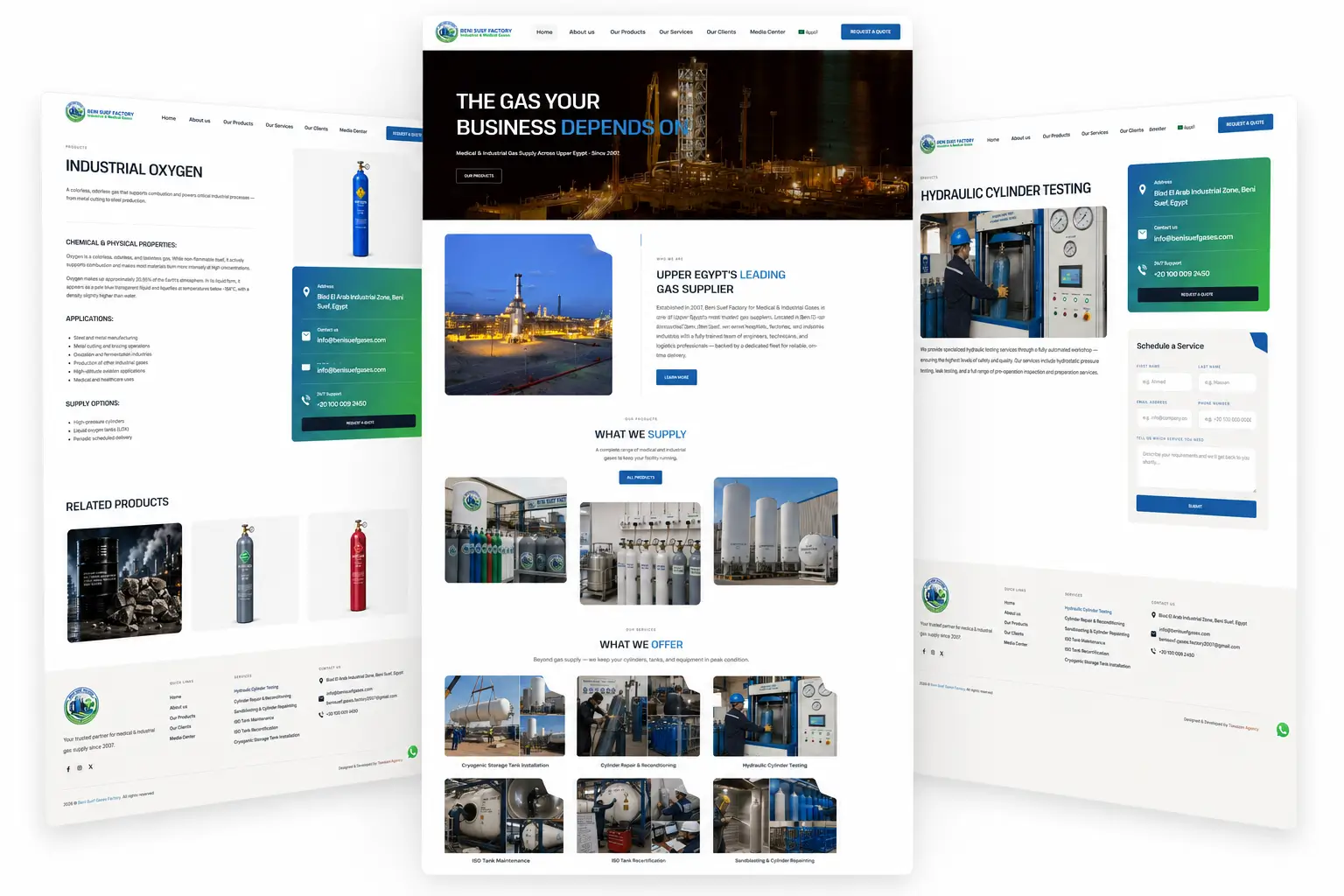
Beni Suef Gases
The published project describes an Arabic and English corporate website with an organised catalogue of medical and industrial gas products and a responsive layout. It illustrates how factory information can be structured; review the project for the documented scope.
View the project details